

What to see and do in Malabo: a complete guide to discovering the magic of Equatorial Guinea
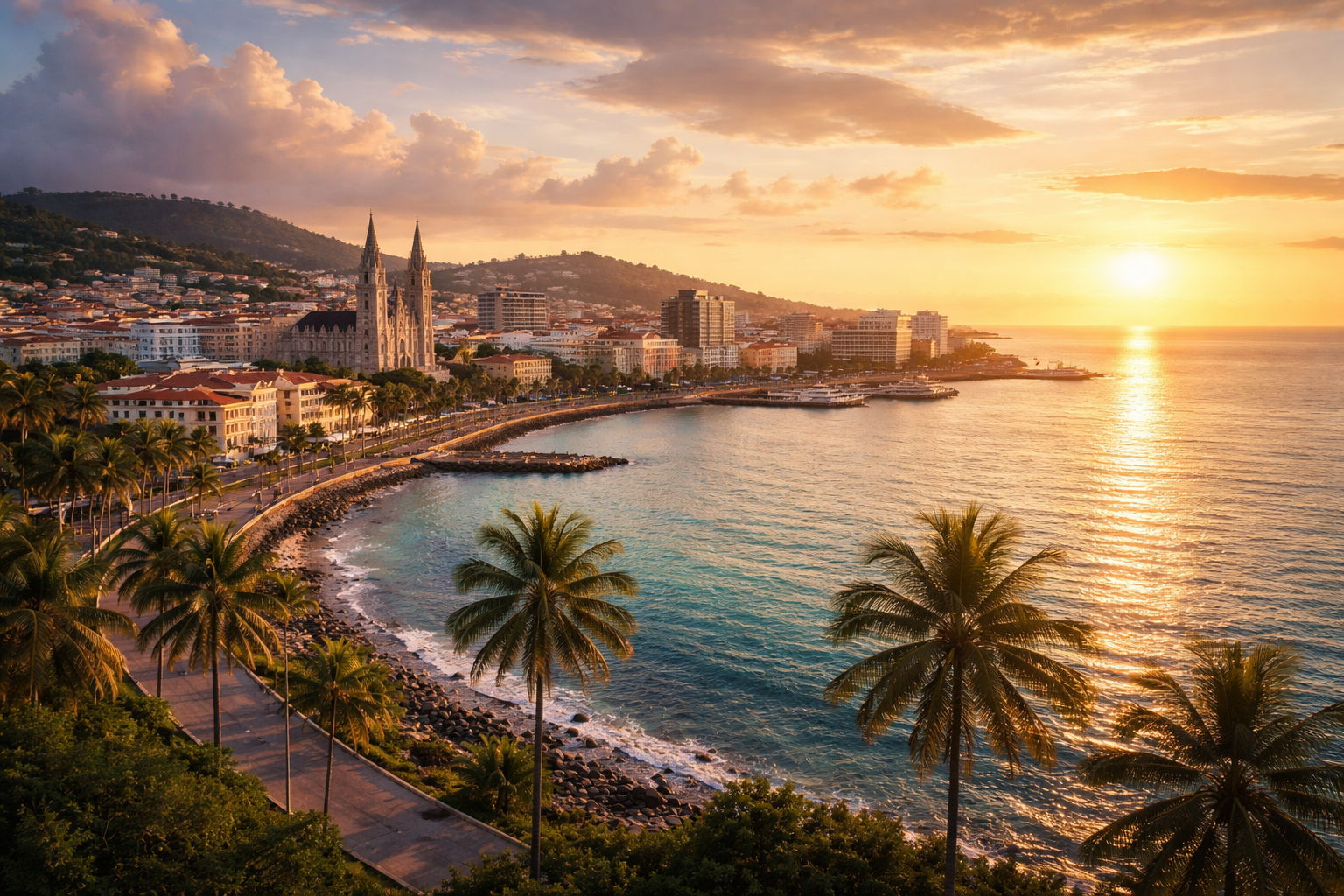
Malabo is a city to be discovered without haste. Located on the island of Bioko, it combines history, nature, and a serene atmosphere that makes it a unique destination in Central Africa. It is appreciated both by travelers arriving for professional reasons and by those seeking an authentic experience, far from mass tourism.
Knowing what to see and do in Malabo allows you to fully enjoy its essence: a calm city, open to the Atlantic Ocean and surrounded by volcanic landscapes and tropical rainforest. This guide brings together the must-see places, the most interesting experiences, and some practical recommendations for enjoying the city comfortably.
What to see in Malabo: the historic center and its colonial legacy
The Cathedral of Santa Isabel
The Cathedral of Santa Isabel is one of Malabo’s most representative buildings and a key landmark for understanding the city’s history. Built during the Spanish colonial period, its neo-Gothic style and seafront location make it a must-visit.
The area surrounding the cathedral invites slow walks, observation of daily life, and appreciation of the contrast between historic architecture and the coastal landscape. It is especially pleasant early in the morning or at sunset.
Streets, squares, and historic buildings
The old quarter preserves administrative buildings, former colonial residences, and small squares that reflect Malabo’s past. Walking through these streets reveals a discreet city with a relaxed rhythm, where hospitality is part of everyday life.
Exploring this area on foot is one of the best ways to begin getting to know Malabo and place it within its cultural and social context.
The seafront promenade and Malabo’s relationship with the sea
The city’s Atlantic coast
Malabo maintains a constant relationship with the ocean. Its seafront promenade offers a peaceful space to walk, relax, or simply watch the horizon. The sound of the sea and the Atlantic breeze provide a sense of calm that largely defines the city’s experience.
Sunset is one of the most special moments to enjoy this area, when golden light softens the urban landscape and the atmosphere becomes particularly pleasant.
Sipopo: the most modern and planned side of Malabo
Just a few minutes from the city center lies Sipopo, a modern and carefully planned area that represents Malabo’s most contemporary face. Institutional events and international meetings are held here, and it is popular among business travelers and official delegations.
Sipopo stands out for its wide avenues, green spaces, and proximity to the sea. It is a good example of the country’s recent urban development and an interesting area to combine work, rest, and leisure in an orderly and tranquil setting.
Beaches and natural spaces to unwind
Sipopo Beach
The beaches near Sipopo offer a relaxed environment, ideal for walking, unwinding, or enjoying the seascape. They are not crowded beaches, allowing for a more intimate and serene experience.
They are especially recommended for those who want to balance a professional agenda with moments of rest by the sea.
Beaches and coves on Bioko Island
Bioko Island is home to numerous more wild beaches, surrounded by vegetation and set in a well-preserved natural environment. Some require longer travel, but they allow visitors to discover a more natural and less urban side of the destination.
Volcanic nature and highland landscapes
Pico Basilé
One of the most outstanding natural experiences near Malabo is a visit to Pico Basilé, the highest point in Equatorial Guinea. This ancient volcano rises above the island and offers wide, spectacular views when conditions allow.
The area is covered by tropical rainforest and hosts rich biodiversity. The excursion is usually done with a local guide and is especially appealing to those who enjoy direct contact with nature.
What to do in Malabo: local culture and daily life
Markets and traditions
Malabo’s markets reflect the city’s daily life. Fresh produce, tropical fruits, fish, and local handicrafts can be found there. Visiting a market is a direct way to connect with Equatoguinean culture and better understand its lifestyle.
The atmosphere is lively yet welcoming, and it is often a highly valued experience for those who want to discover the most authentic side of the destination.
Music and celebrations
Malabo’s culture is marked by a strong African identity, with Spanish and Creole influences. Music and dance are an integral part of the cultural landscape, especially during local celebrations and events.
Gastronomy in Malabo: authentic flavors and international cuisine
Local cuisine is based on fresh products and traditional recipes in which fish, seafood, plantain, cassava, and rice play leading roles. Intense sauces and deep flavors reflect the country’s cultural richness.
Tasting local cuisine is an essential part of the Malabo experience and allows visitors to discover the close link between territory, culture, and tradition.
Restaurants and international options
Malabo also has Spanish and international restaurants, especially aimed at residents and foreign travelers. This makes it easy to find varied offerings adapted to different tastes and lifestyles.
What to do in Malabo on a business trip
Malabo is a common destination for professional stays, institutional meetings, and business projects. In these cases, the city offers a suitable environment for combining work activity with personal well-being.
After the workday, it is common to walk through the city center or along the seafront, enjoy a quiet dinner by the sea, and set aside time for rest and disconnection. The city’s serene atmosphere favors balanced and productive stays.
Excursions and getaways from Malabo
Villages in the interior of Bioko
Bioko Island is home to small villages where a more traditional way of life is preserved. A day trip allows visitors to discover a different reality, more rural and closer to nature.
Hiking and nature
The surroundings of Malabo offer opportunities for hiking and observing tropical landscapes. Lush vegetation and a humid climate create unique settings for nature lovers.
Malabo, a city to be discovered calmly
The climate is warm and humid throughout the year, so light and comfortable clothing is advisable. The pace of life is relaxed, and adapting to it greatly enhances the experience. Maintaining a respectful and open attitude facilitates contact with the local population and enriches the stay.
Malabo is a city best appreciated through tranquility. Its value does not lie in mass tourism, but in authenticity, the balance between nature and city, and the sense of safety and calm it offers visitors.
Knowing what to see and do in Malabo allows for a more complete and mindful experience, enjoying the city from a place that invites rest, privacy, and comfort.
